Omen
The Full Moon
The lunar madness; the werewolf's moon
The night blamed for madness and the sabbath — and kept, in the older calendars, as a peak of power and the marker of the month.
- Luna and 'lunacy'
- The werewolf's turning
- The witches' sabbath
- Thirteen full moons a year
The form
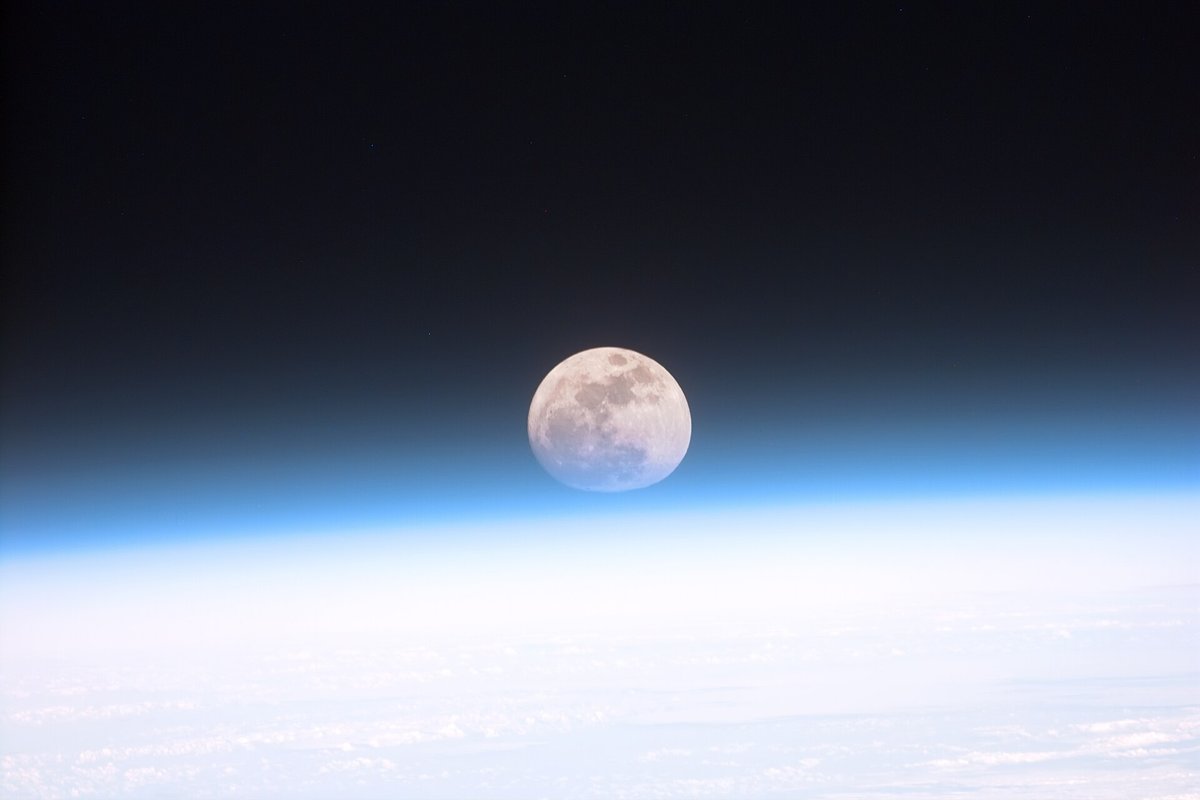
The moon at its full, the whole disc lit and the night at its brightest. The word for madness itself — lunacy, from Luna — is built on the old belief that the full moon unsettles the mind, and it has never quite let go of the moon since.
Where the beliefs come from
The link between the full moon and madness is ancient: physicians from antiquity through the eighteenth century held that the moon moved the brain as visibly as it moves the tide, and the word ‘lunatic’ carried that theory into law and asylum alike. The full moon is the traditional night of the werewolf's turning and of the witches' sabbath, and it has long been blamed for raising the tide of birth, blood, crime and unrest.
The older count
Before it was an omen it was a clock. There are thirteen full moons in a solar year, and the very word ‘month’ is the moon's own; older, lunar reckonings measured time, planting, harvest and festival by it, and the great feasts were set by its face. A large part of the moon's dark reputation is simply piled on top of its first and oldest job as the calendar of the sky.
Where it is seen now
It is the setting for horror and the timing of much modern witchcraft and pagan practice, where the full moon is not feared but worked with, for its peak of power — drawing down the moon, charging tools, casting and honouring at the full. What one tradition calls madness, another calls the height of the tide it rides.
What the studies found
The belief has been tested, repeatedly, and the results are worth stating plainly. Psychiatric admissions, emergency calls, crime rates, births and surgical complications have all been checked against lunar phase, and the largest reviews — the best known being Rotton and Kelly’s meta-analysis of thirty-seven studies in 1985 — found no reliable relationship. The persistence of the belief is itself explained: staff remember the busy full-moon nights and forget the quiet ones, which is ordinary confirmation bias. The word lunatic carries luna inside it, and the law once did too, but the effect has not survived being counted. None of which touches the moon’s ritual meaning, which was never a claim about hospital admissions.
Where the Vault stands
The full moon holds a double inheritance: the night long blamed for madness and change, and the oldest clock humanity ever kept and the brightest night of its month. The demonolatry and witchcraft that actually work with it treat it as power, not peril — and the Vault stands nearer that reading than the one that turned the calendar of the sky into a night to be afraid of.


- Lunacy
- Werewolf
- Lunar calendar