Festival
Halloween
All Hallows' Eve; Samhain
An old harvest and ancestor festival, a Christian eve, and a night of play — demonised, but never the Devil's own.
- Celtic Samhain
- All Hallows' Eve
- The thinning veil
- Called satanic; kept as harvest rite
The form
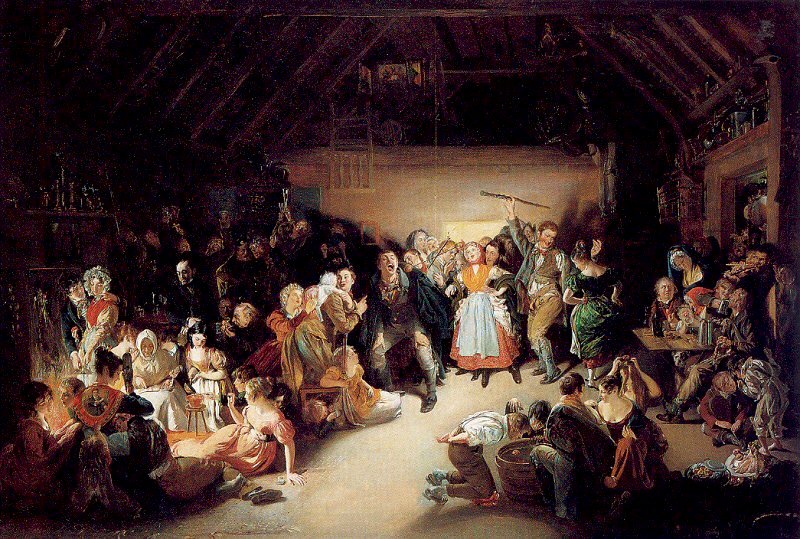
The night of 31 October, kept with costume, carved lanterns, bonfire and the dead — the eve before the Christian feast of All Saints, All Hallows, from which its name is drawn: All Hallows’ Even, worn down to Halloween.
Where it comes from
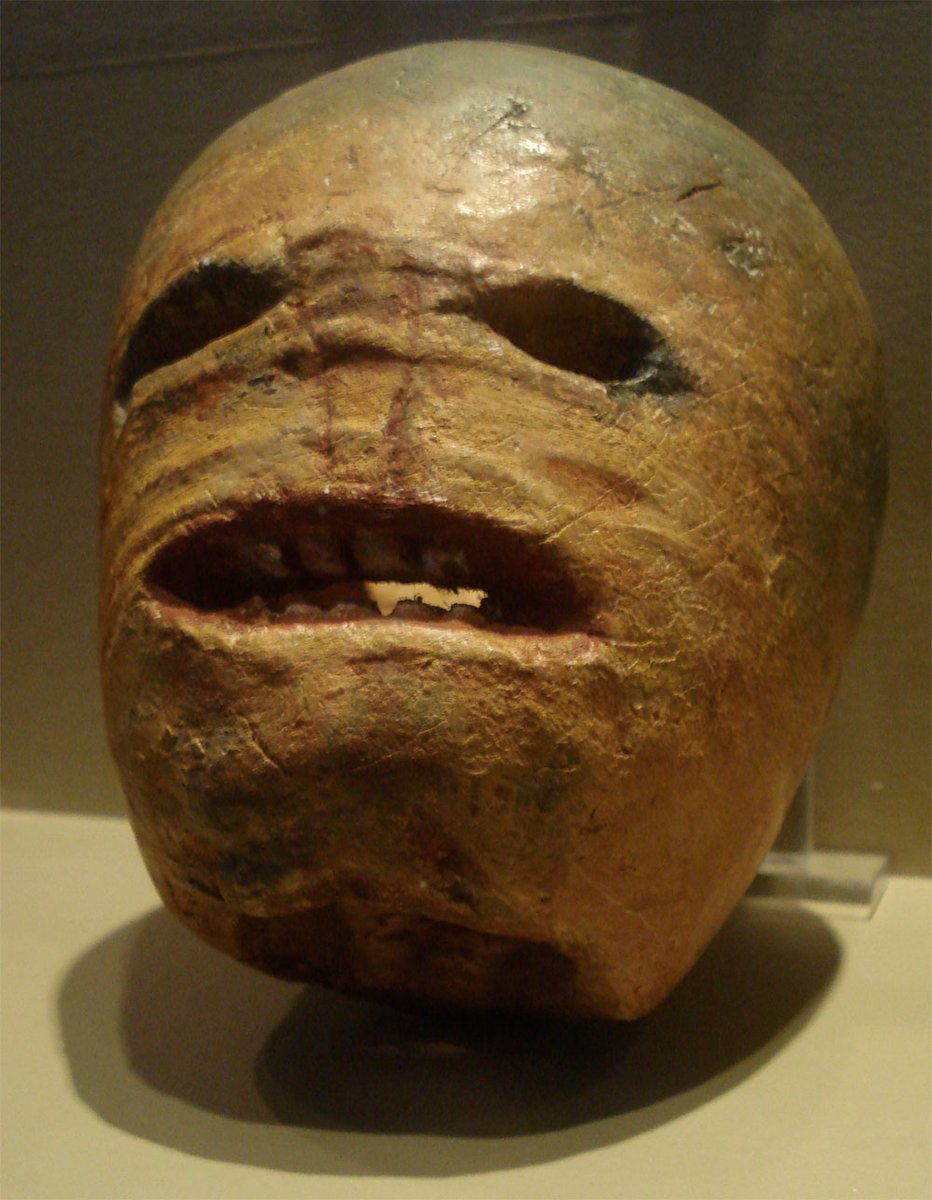
Its oldest layer is Samhain, the Gaelic festival marking the end of the harvest and the start of winter, when the boundary between the living and the dead was held to thin and the dead to walk among their own. The carved lantern descends from turnips hollowed and lit to ward or to guide the spirits; the disguises, from the old practice of going unrecognised among them. In time the Church laid All Saints and All Souls over the same days, folding the festival of the dead into the calendar of the saints rather than abolishing it.
What is said about it
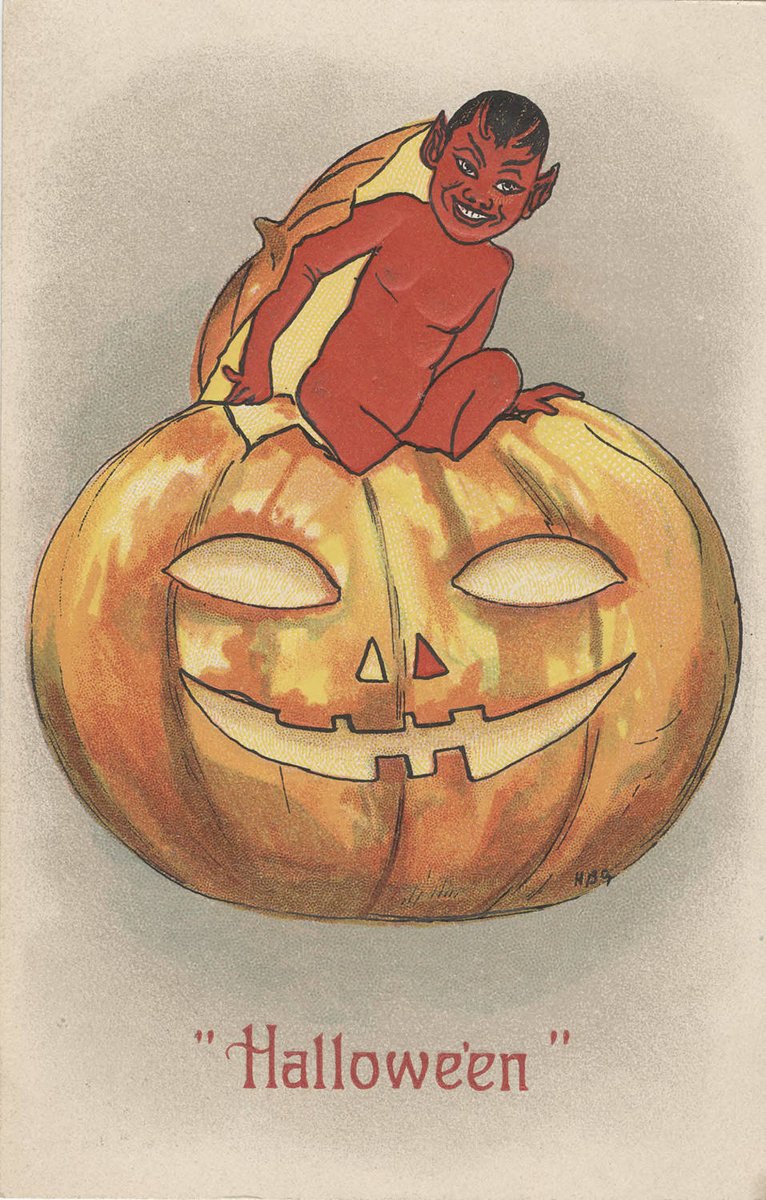
A strand of modern belief, chiefly in evangelical Christianity, holds Halloween to be a genuinely satanic festival — a night of real occult power, of witchcraft and of the Devil — and warns the faithful against keeping it at all. Others in the same tradition keep it without a second thought, and much of the world keeps it as pure commerce and play.
Where it is seen now
It is at once the second-largest commercial holiday of the year, a living pagan and witchcraft festival kept in earnest as Samhain, a Christian eve, and, to its critics, the year's most dangerous open door.
The lantern was a turnip
The carved pumpkin is an American adaptation of an Irish practice, and the original vegetable was a turnip or a large beet, hollowed and lit and set out to frighten off wandering spirits — pumpkins were simply bigger, softer and everywhere once the custom crossed the Atlantic. The name comes from the tale of Stingy Jack, who tricked the Devil and was refused entry to both heaven and hell, and now walks with a coal in a hollowed turnip. The custom of going door to door in disguise for food descends from souling and guising, in which the poor offered prayers for the dead in exchange for soul cakes. Almost every part of the modern night has a documented ancestor and none of them is a sacrifice.
Where the Vault stands
Every layer of Halloween is real and on the record: harvest festival, feast of the dead, Christian eve, shopping season — and, laid over all of them, the accusation that it belongs to the Devil. That last layer is the newcomer and the odd one out. The Vault keeps the older reading it was built on: a night to honour the dead and mark the turning year, demonised long after the fact by people who had forgotten what it was for.



- Samhain
- All Hallows' Eve
- The dead