Key
The Ankh
The crux ansata; the key of life
An Egyptian sign for life itself, about as far from a devil-mark as a symbol can get — its occult air is entirely borrowed.
- Egyptian hieroglyph for 'life'
- Older than 3000 BCE
- Coptic crux ansata
- Theosophy, goth, Kemetic revival
The form
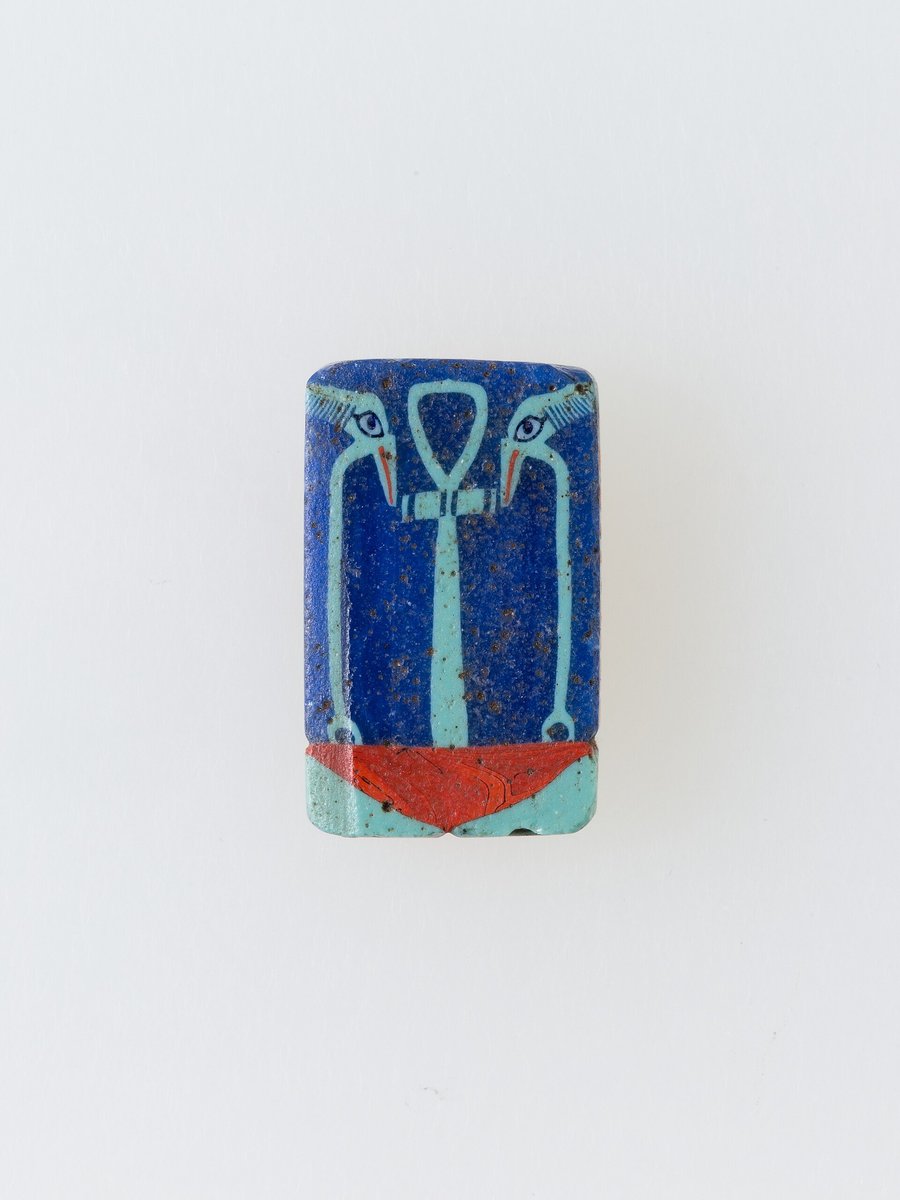
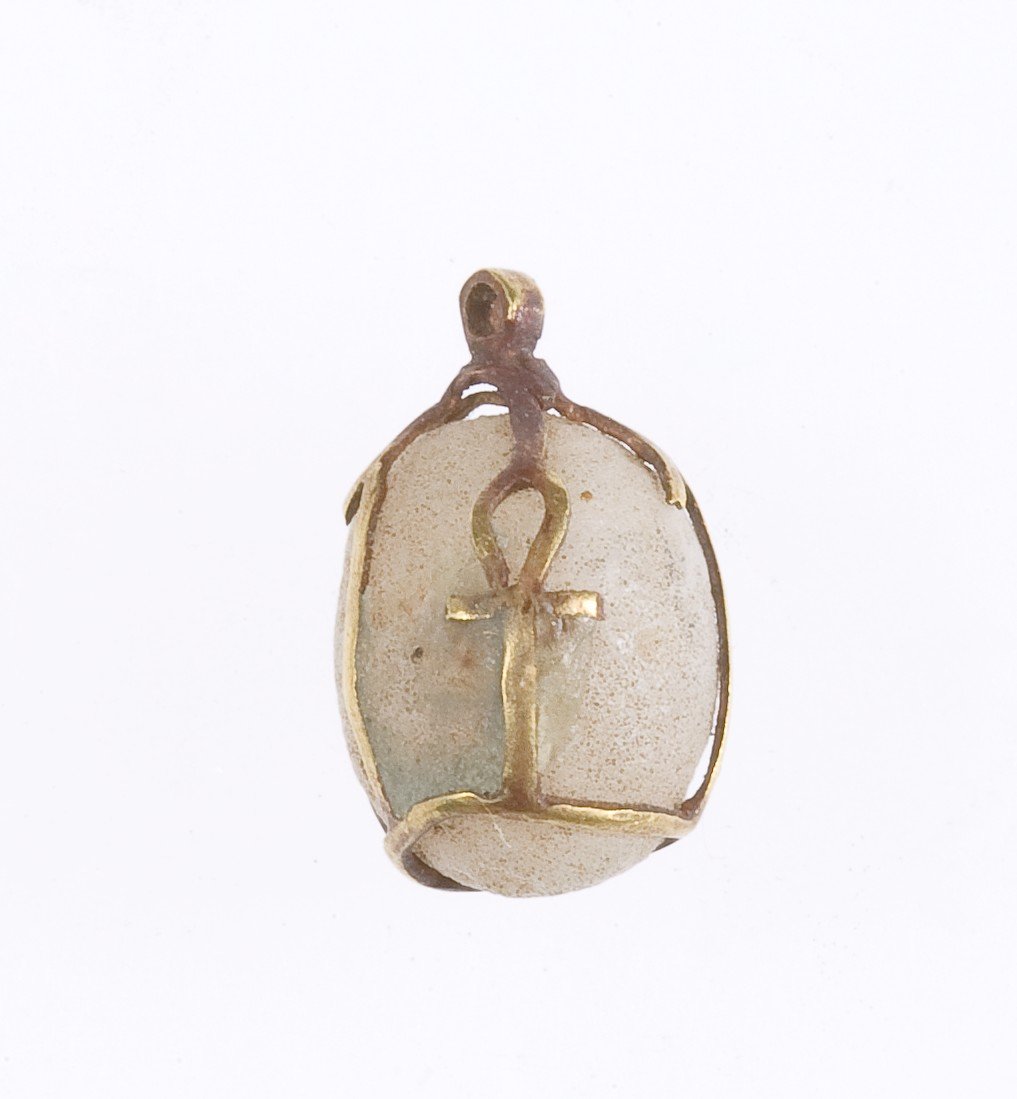
A cross surmounted by a loop — a T-shape with a teardrop or oval handle on top. The gods of Egyptian tomb painting are shown carrying it by the loop, and holding it to the nose of a figure, and it reads unmistakably as a key, a handle, a thing to be grasped and given.
The Egyptian meaning
The ankh is the hieroglyph for ankh, ‘life,’ and by extension the breath of life, vitality and life eternal. Deities offer it to the pharaoh and to the dead to bestow or restore life; it is among the most common signs in all of Egyptian art, older than 3000 BCE, painted on temple walls and worn as an amulet by the living. Nothing in its origin touches death or evil — it is, plainly, the sign of living.
Its later travels
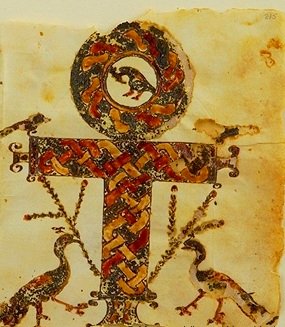
The Coptic Christians of Egypt adopted it as the crux ansata, a cross of life, folding it naturally into Christian use. Much later the Theosophical movement of the nineteenth century took it up as an esoteric emblem, and from there it passed into twentieth-century occult, goth and vampire subcultures — and into the modern Kemetic revival, which honours the Egyptian gods directly.
Why it looks occult
Purely because of the company it now keeps. Worn on a studded collar or printed beside pentagrams and inverted crosses, the ankh picks up a borrowed darkness it never had on a temple wall; to an outsider it simply reads as ‘occult jewellery’ and is filed accordingly.
The sign itself
The ankh is not a decorated cross; it is a letter. In hieroglyphic writing it is the triliteral sign for the sound ankh, meaning life, and Egyptian scribes used it inside ordinary words that merely shared that sound — the word for a mirror, for a floral bouquet, for the strap of a sandal. That last one is behind the most persistent theory of its origin, first argued by Alan Gardiner: that the shape is a sandal strap seen from above, the loop around the ankle and the crossbar over the foot. Nobody can prove it. The gods hold it to the noses of kings because it is the breath of life, given as an object, and it passed to Coptic Christians as the crux ansata, the cross with a handle.
Where the Vault stands
The ankh means life, breath and renewal — the exact opposite of the death-and-devil register it gets filed under by association. Its occult reputation is a straight loan from its modern neighbours, and on its own terms it is one of the most life-affirming signs humanity has ever drawn. The Vault reads it as the Egyptians did.



- Egyptian
- Life
- Borrowed darkness