The Two Paths
The Right-Hand Path
Authority outside the self — and the Vault's honest quarrel with it.
At a glance
- A path, not a religion
- Name from Tantric dakṣiṇācāra
- The Vault does not walk it
- The critique is structural
The Right-Hand Path is the counterpart of the Left: the family of traditions that place authority outside the self. This Vault does not walk it — so let it state the disagreement openly rather than pretend at a neutrality it does not have.
What the path holds
The Right-Hand Path places authority outside the self: in a god, a scripture, a lineage, a teacher, a moral order set before you arrived and to which your task is to conform. Its goal is typically transcendence and union — the individual self dissolving into the divine, the drop returning to the ocean. Its virtues are obedience, purity, humility, and the surrender of will.
The name, like its twin, comes from Tantra, where dakṣiṇācāra — right-hand conduct — meant the orthodox practice that kept the ritual rules intact. In Western occult usage since Theosophy it has come to cover most of the world's established religions: Christianity, Judaism and Islam, the orthodox schools of Hinduism and Buddhism, and much of modern esotericism, Wicca included. Few of them use the term for themselves. It is a label applied from the other side of the line, and here it is meant as a description, not an insult.
The Vault's quarrel
The Vault's critique is precise, and it is structural rather than personal. It is not that people on the Right-Hand Path are foolish or wicked. They are neither, and a great many of them are better company than a great many Satanists.
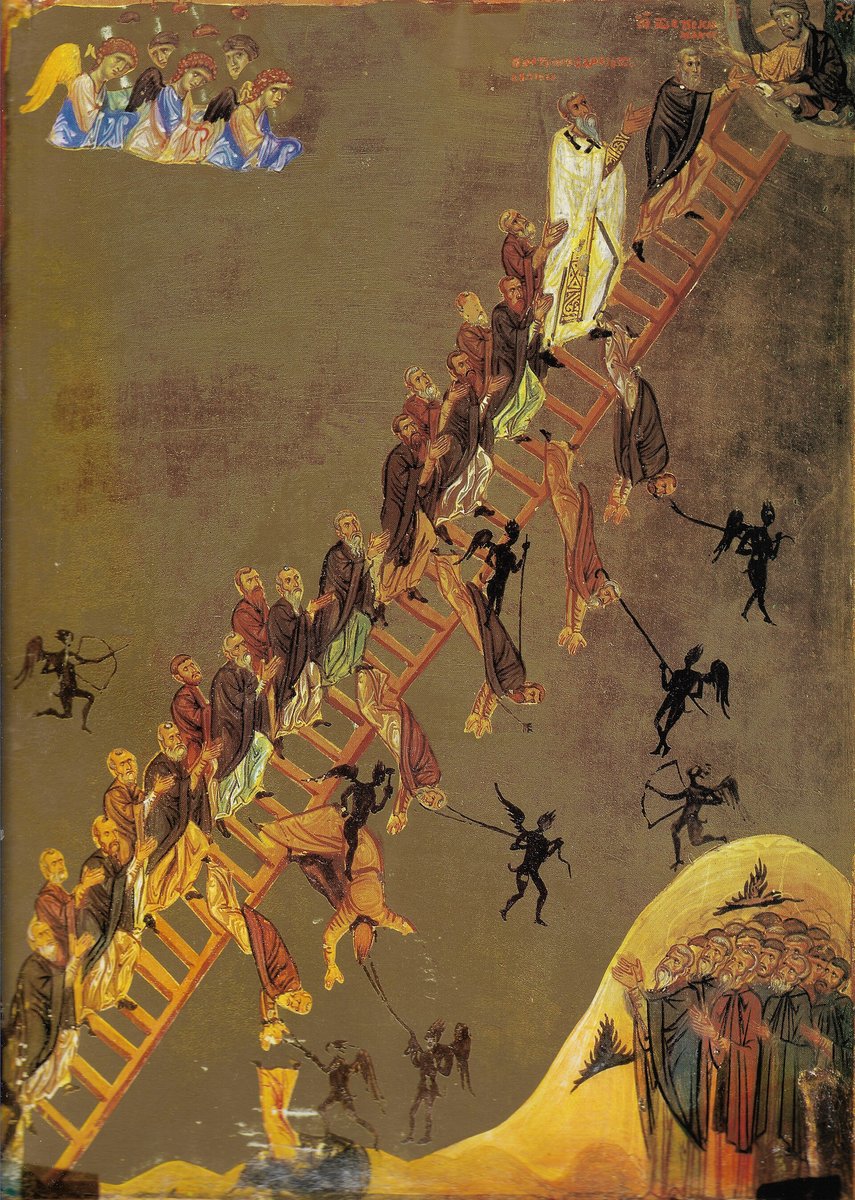
The problem is that the path makes obedience into a virtue and treats the sovereign self as the thing to be overcome — which means the very faculty you would need in order to notice that an authority had gone wrong is the faculty it asks you to surrender first. A structure that says do not trust yourself, trust us has no immune system. Every abuse of religious authority in history has walked through that door.
The second half of the quarrel is older. The Right-Hand Path built much of its moral world by naming a set of ordinary human things — the body, desire, doubt, pride, the wish to know — as sin, and then offering itself as the cure for the disease it had just diagnosed. Most of the map you are reading exists as a refusal of that trade.
What it has given
And the counterweight, because a critique without one is only a grievance: the Right-Hand Path has produced real depth, real mysticism, real goodness, and real communities of care, and it has consoled more people than this Vault ever will. What the Vault rejects is the transfer of authority. Not the people who make it.