The Region
Satan as Being
Theistic Satanism — something is actually there.
At a glance
- Region: the right half
- Theistic Satanism
- Holds Spiritual · Setian · Demonolatry
- No central body, no single book
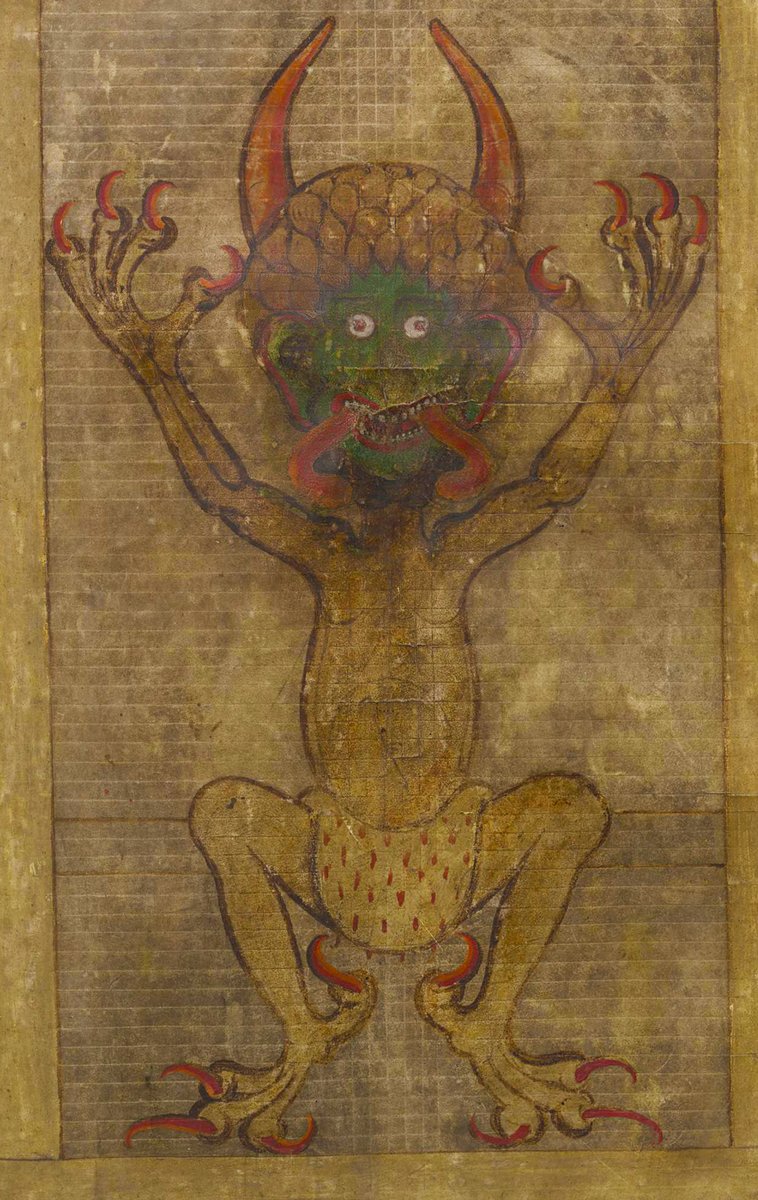
The right half belongs to those for whom Satan — or the intelligences gathered under that name — is not a symbol but a reality. Something is there; it can be addressed; it answers. This is the older idea of Satan, a figure who is really there, and today by far the less visible half of the field.
Theistic Satanists differ enormously among themselves. Some approach Satan as a god to be honoured. Some as a liberator and a teacher. Some as an elder intelligence with whom one enters a working relationship rather than a worship — which is where this Vault's own practice lives. What unites the half is a single ontological claim, and only that one: it is real.
Who is here
The half has a few organised landmarks. The Temple of Set, founded in 1975 by Michael Aquino after his break with the Church of Satan, treats Set as a real intelligence and the source of the self-aware mind. Devotional groups since the 1990s have taught a theistic practice under the name Spiritual Satanism — a label this map handles with care, because some who claim it have used it to carry ideologies that have nothing to do with the Left-Hand Path. And demonolatry, where this Vault stands, works with many demons rather than with Satan alone.
Beyond these landmarks there is no central body, no founding book, no spokesperson, and no membership. It is a wide and largely private landscape of individual practice — which is exactly why it is so badly represented in public accounts, and why the loudest voices claiming to speak for it usually are not.
What it is not
Theistic does not mean what the accusers imagined. The murderous devil-cult of the 1980s Satanic Panic was searched for at length and never found: in 1992 the FBI's Kenneth Lanning reported no evidence for the organised ritual-abuse networks that had been alleged. What theistic Satanists actually do is far quieter — ritual, prayer, meditation, offering, study — and most of them would recognise none of the scenes the panic invented.
The tension across the line
And the honest tension across the middle line: the atheistic half often regards the theistic as a relapse into the very religion it walked out of — the same credulity with a different name over the door. The theistic half often regards the atheistic as having taken the imagery and left the substance behind. Both critiques are worth hearing. Neither settles anything, and this Vault will not pretend to settle it for you.