Atheistic · Cultural
Aesthetic Satanism
Metal, horror, image. Satan as art, atmosphere and provocation — not belief.
At a glance
- Not a religion
- Gothic · Romantic · Metal · Horror
- Where the public image was made
Most people's first and often only encounter with Satanism is not a religion at all. It is a record sleeve, a film, a stage. That deserves a place on this map, because pretending otherwise is how a survey ends up describing a landscape nobody actually lives in.
Aesthetic Satanism is the cultural stream in which the imagery is used for what imagery does: atmosphere, transgression, shock, beauty, the specific pleasure of the forbidden. It is not a belief and does not need one. It is a way of using a symbol.
A lineage in art
Its lineage runs through Gothic literature and the Romantic Satan — Milton's rebel in Paradise Lost, Blake's reading of him in The Marriage of Heaven and Hell — through Baudelaire and the decadents, and into the horror film, from Rosemary's Baby (1968) to The Exorcist (1973) and The Omen (1976).
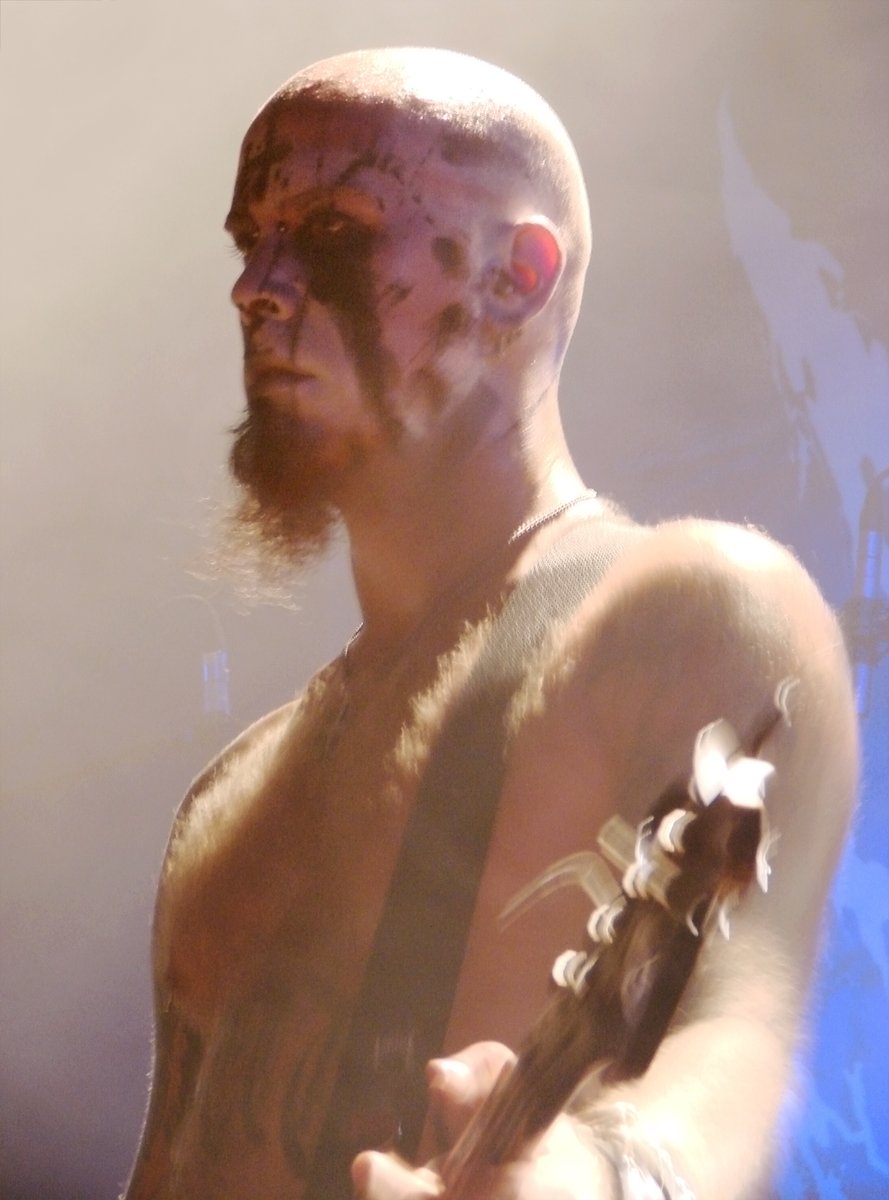
Music gave it its loudest voice. Black Sabbath set the tone at the turn of the seventies; Venom named a genre with the album Black Metal in 1982; Mercyful Fate and Slayer pushed the imagery further; the Norwegian black metal scene of the early nineties made it a cause; horrorcore carried it into hip-hop. Today it runs through everything from fashion to games.
Where the image was made
Some of its makers are Satanists. Most are artists using a symbol of enormous charge for precisely the reason it has enormous charge. And that is not a lesser thing: this is the stream that made the modern public image of Satanism. The shape most people carry in their heads is the shape the aesthetic gave it — not the shape of anything else on this map.
That power had a price during the Satanic Panic. In 1985 the Parents Music Resource Center put songs by Venom and Mercyful Fate on its “Filthy Fifteen” list, and through the decade record sleeves and horror films were presented as evidence of a hidden cult. They were evidence of a market.
It also earns its place by being honest about being aesthetic, which puts it several rungs above the trend beside it that borrows the same imagery and pretends it is a practice.
The Norwegian crimes
Honest note. The Norwegian scene included real crimes: a string of church arsons from 1992 onward and two killings, in 1992 and 1993, committed by a very small number of people. That was criminality wearing an aesthetic. The aesthetic did not require it, the music did not cause it, and the men who did it are answerable for it as men.