On the line
Luciferianism
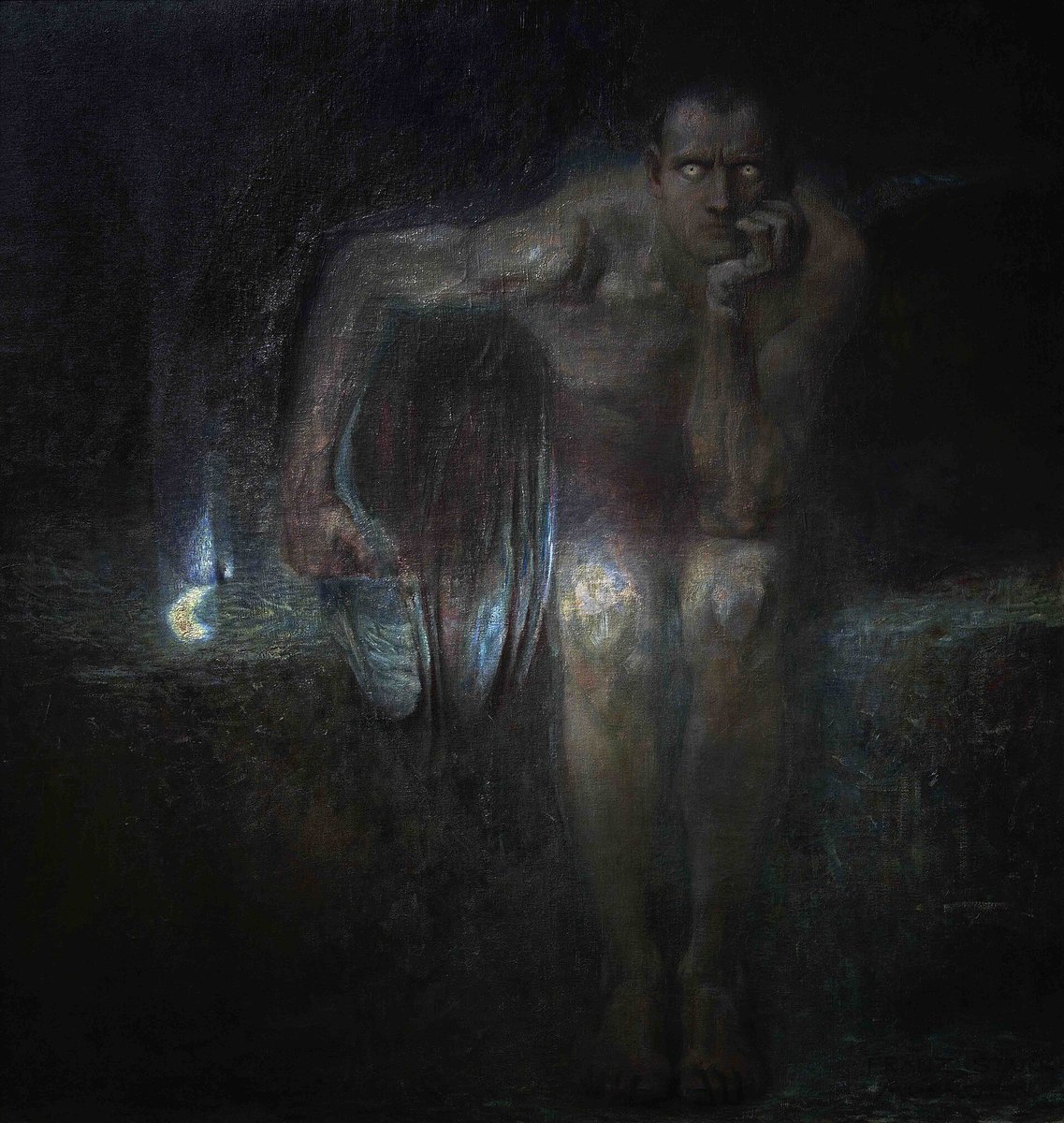
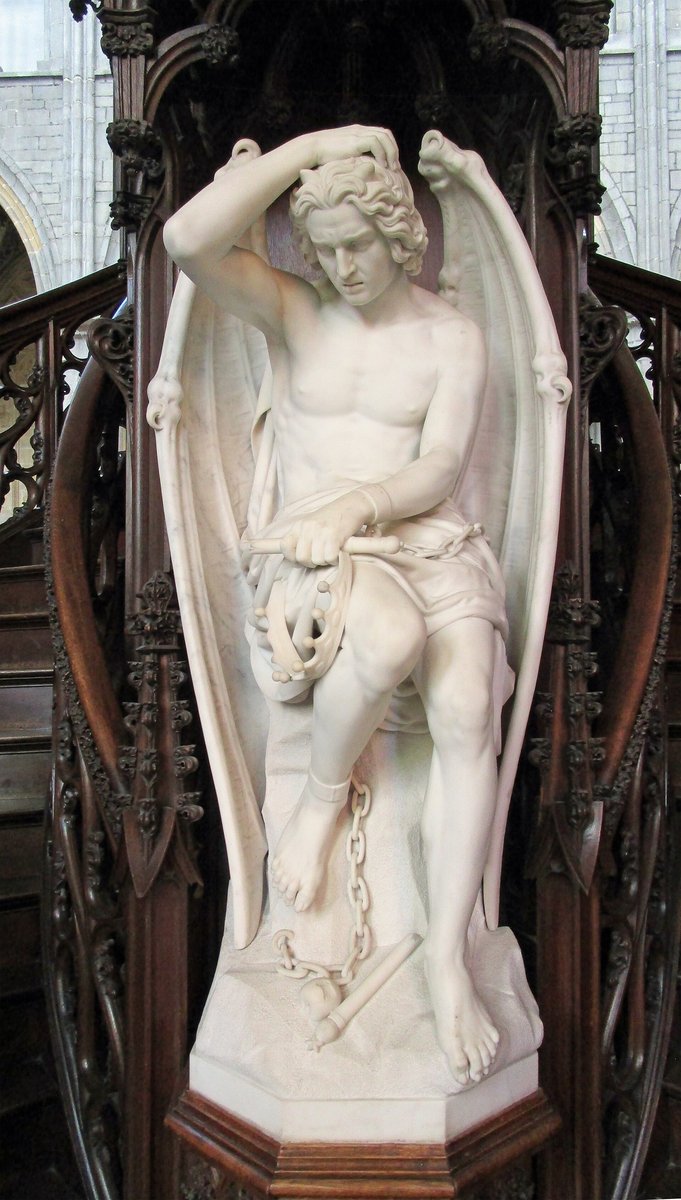
Lucifer the light-bringer. Illumination, ascent, apotheosis — theistic for some, archetypal for others.
At a glance
- Sits on the boundary — deliberately
- Both theistic and archetypal branches
- Strong Gnostic currents
- Lucifer: Latin for “light-bearer”
Luciferianism is the current that takes Lucifer, the light-bringer, as its guiding figure, and it sits exactly on the line between the two halves of the Satanic field — the half for which Satan is a symbol and the half for which he is a being. That is not a compromise or a failure to place it. It is where the thing actually lives.
The light-bringer
The name is Latin: lucifer, “light-bearer”, the old name of the morning star, the planet Venus rising ahead of the sun. It entered the Christian story through Jerome's Latin Bible, the Vulgate, which used it in Isaiah 14:12 for the shining son of the dawn who falls from heaven — a taunt against a king of Babylon that later readers took as the fall of Satan. Luciferians take the name back from that reading.
The emphasis is not adversarial but illuminative. Lucifer is the one who brings knowledge, who opens the eyes, whose fall is read not as a punishment but as the descent of light into the world. The Luciferian's project is enlightenment and self-liberation, and past those, apotheosis — the deliberate raising of the self toward divinity.
Two kinds of Luciferian
Some Luciferians are outright theists: Lucifer is a real intelligence, a teacher and a liberator, and the relationship is real. Others are entirely archetypal: Lucifer is the principle of illumination and the human capacity for it, and nothing more is claimed. Both are called Luciferianism. Neither has authority over the other. That is why the current sits on the boundary rather than in either half — any other placement would be a lie about the tradition.
Strong Gnostic currents run through both: the world's maker as a jailer rather than a father, knowledge as the escape, and the serpent in the garden reread as the first benefactor rather than the first villain — the one who told the truth in a story where the authority had lied. The reading is old; some ancient Gnostic groups, the Ophites among them, already honoured the serpent as a revealer.
Luciferianism today
Modern Luciferianism is organised only loosely. Its best-known contemporary voice is Michael W. Ford, whose books since the late 1990s have given the current much of its present vocabulary, and who founded the Greater Church of Lucifer in 2013; its temple near Houston, opened in 2015, was among the first of its kind open to the public. The organisation has since been renamed the Assembly of Light Bearers. Most Luciferians, though, belong to no organisation at all.
Honest note on a contested boundary. Many Luciferians insist they are not Satanists at all: that Lucifer the illuminator and Satan the adversary are different figures doing different work, and that collapsing them is a Christian habit inherited from the accusers rather than anything the tradition itself asks for. Others treat the two names as two faces of one thing. The Vault reports the disagreement and does not settle it.