Adjacent practice
Black Magick
A colour applied from outside. The useful question is consent, not hue.
At a glance
- A label, not a practice
- The colour-coding is inherited
- Nigromancy: a black read into a word
- Ask: coercive, or consensual?
“Black magic” is not a technique, a tradition, or a body of knowledge. It is a label — and like nearly everything else on this map, it was applied from outside.
Where the colour comes from
Historically it means, with remarkable consistency, magic the authority did not sanction: performed by the wrong person, for the wrong purpose, without the church's cover. The colour was never about what the working did. It was about who was doing it and whether they had permission.
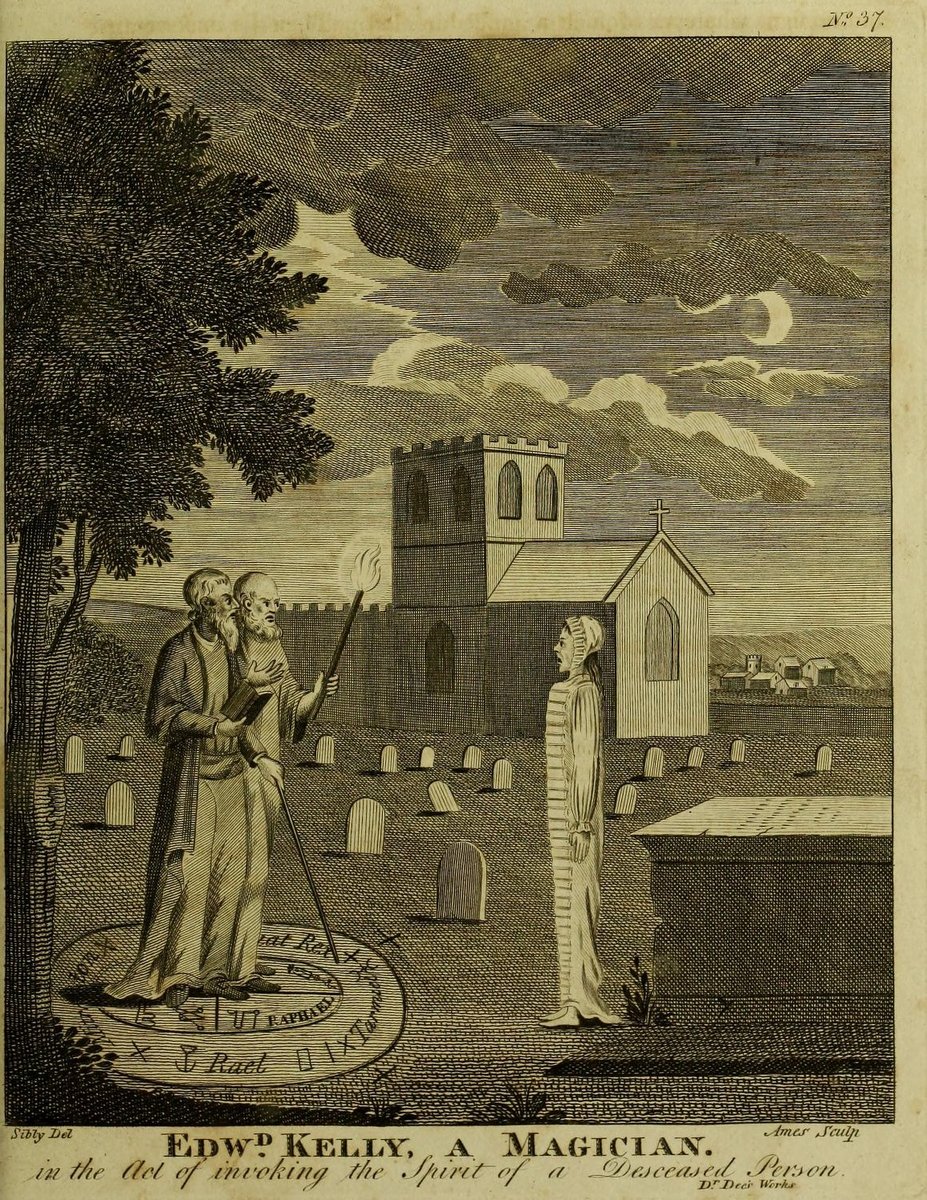
Even the colour may be an accident of spelling. Greek nekromanteia, divination by the dead, became Latin necromantia, and medieval writers, hearing niger in it, wrote nigromantia — the black art. Between roughly 1200 and 1500 a nigromancer was anyone skilled in that art, above all the learned cleric who conjured spirits out of a book, and the English phrase “black magic” only appears in the sixteenth century. The darkness was read into the word before it was ever read into the practice.
The white-and-black split survives because it is easy and because it flatters. Everyone who uses it has, by a happy coincidence, always found themselves on the white side of it. It sorts nothing, predicts nothing, and mostly lets practitioners disapprove of one another in a vocabulary borrowed from the people who would have burned them both.
A better question
The Vault's replacement is not a nicer colour. It is a better question: is this coercive, and who pays for it? A working that binds another person's will without their knowledge is a violation whatever colour you paint it — and a great deal of it is filed under “white” because the motive was sweet. Love spells aimed at a specific named person are the standard example, and they are cast constantly by people who would be horrified to be called black magicians.
Meanwhile most of what gets called black magick is simply Left-Hand Path magic: work done for yourself, by your own authority, without asking a god to countersign it. That is not evil. That is just not asking permission — which is the precise thing the label was invented to punish.
So ask the questions that do real work. Does this touch anyone who has not consented? Am I being honest with myself about what I actually want here? Who carries the cost if it succeeds? The colour has never answered any of those.