Adjacent practice
Sigil Work
A desire compressed into a glyph — and not what the seals in this Vault are.
At a glance
- Austin Osman Spare, 1913
- Chaos magic lineage
- Usually no spirits involved
- A seal is not a sigil
Sigil work is the most exportable technique in modern occultism, which is why you will meet it everywhere and usually stripped of any context at all.
The method
Its modern form comes from the English artist and magician Austin Osman Spare, who set it out in The Book of Pleasure in 1913; the chaos magic current carried it into the mainstream from the late 1970s. You write a desire as a single sentence, strike out the repeated letters, collapse what remains into an abstract glyph, charge it in a state of concentrated intensity — and then deliberately forget it, so the conscious mind stops picking at the thing and getting in its own way.
It is deliberately model-agnostic. Whether it works because you have addressed your own unconscious, or because you have primed your attention to notice openings you would have walked past, or because something out there took delivery, is left open on purpose. Most sigil workers involve no spirits whatsoever — which places the practice comfortably on both halves of the map and belonging to neither.
A seal is not a sigil
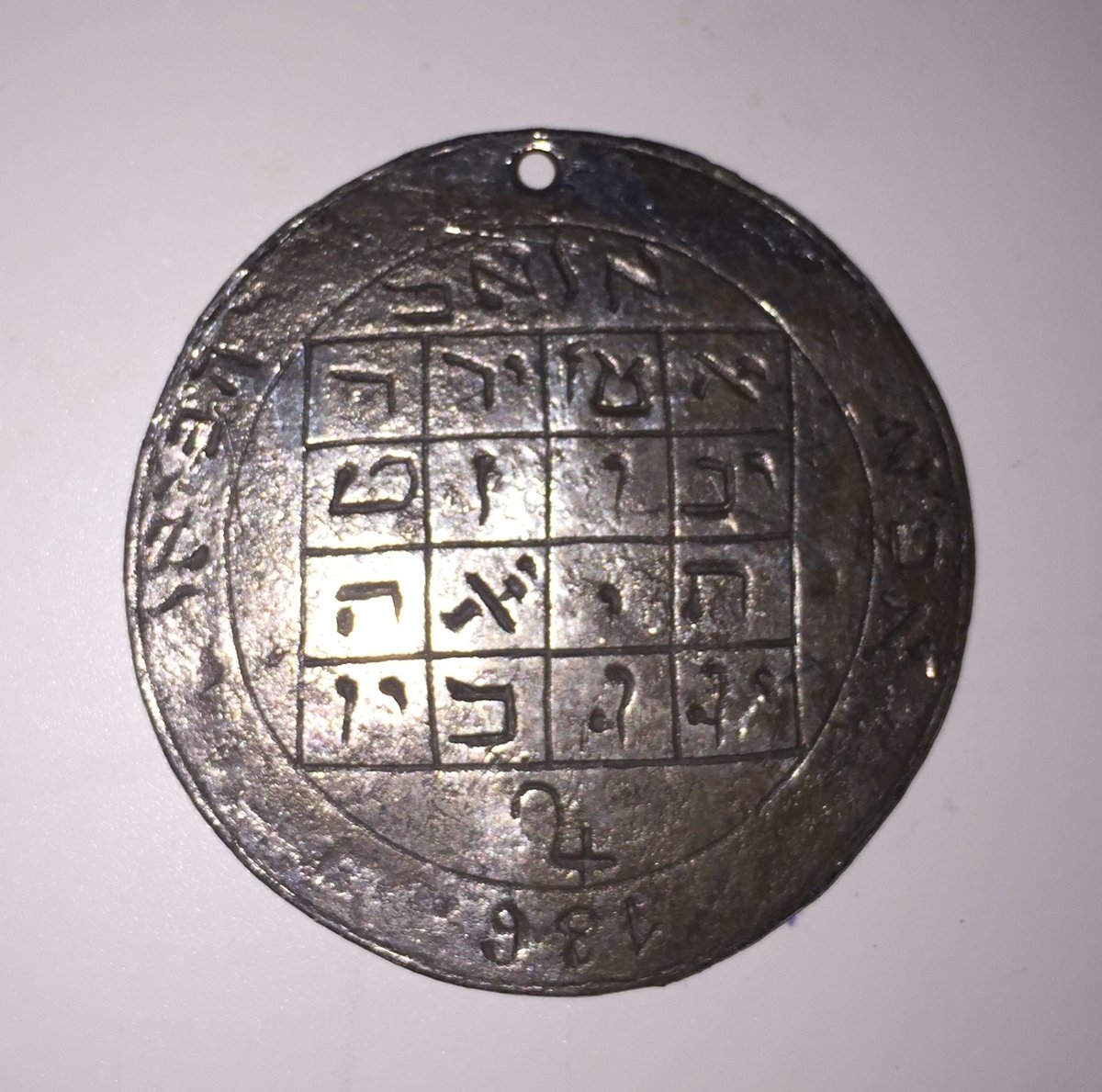
Now the distinction that matters here, and the reason this entry exists in a vault of demons: the seals of the Ars Goetia are not sigils in this sense. The shared word causes real confusion, and the language does not help — sigil comes from the Latin sigillum, which simply means seal. It is worth ending the confusion anyway.
A sigil is your compressed desire — you made it, it means what you meant, and it dies when it fires. A seal is not yours. It is the spirit's own sign: it arrives with the spirit, you did not invent it, and it is not about you. The Ars Goetia, the first book of the seventeenth-century Lesser Key of Solomon, gives each of its seventy-two spirits a seal of its own. It is closer to a name, an address, or a signature than to a spell. You do not charge it and you do not forget it. You use it to reach someone.
Treating a demon's seal as a wish-glyph is a category error — roughly like writing your shopping list on the back of a stranger's business card and then being surprised when the groceries fail to arrive.