Adjacent practice
Witchcraft
A craft, not a religion — and it was never Satanism.
At a glance
- A practice, not a creed
- Older and wider than Satanism
- Most witches are not Satanists
- The trials: a machine for confessions
Witchcraft is a practice, not a religion, and that single distinction clears up most of the confusion around it. It is the directed application of will to an outcome: spellwork, herbs, candles, cords, timing, the deliberate use of attention. It carries no required cosmology.
You can be a witch and a Wiccan, a witch and a Satanist, a witch and a Christian — there are a great many of the last, and there always have been — or a witch and none of the above. It is older than Satanism, wider than it, and entirely independent of it. Most witches are not Satanists. Most Satanists are not witches. The overlap on the theistic side of the map is real, because a demonolator working spirits is already doing something witchcraft-shaped, but that is a coincidence of method, not a shared creed.
Witchcraft today
Modern witchcraft is broad and mostly unorganised. It runs from Wicca, the best-known witchcraft religion, through traditional and folk witchcraft built on regional charm lore, to a large eclectic scene of solitary practitioners who learned from books and, lately, from the internet. Beyond Europe and its diaspora the same English word is laid over very different realities: healers, diviners and curse-breakers of many cultures, most of whom would never call themselves witches at all.
The trials
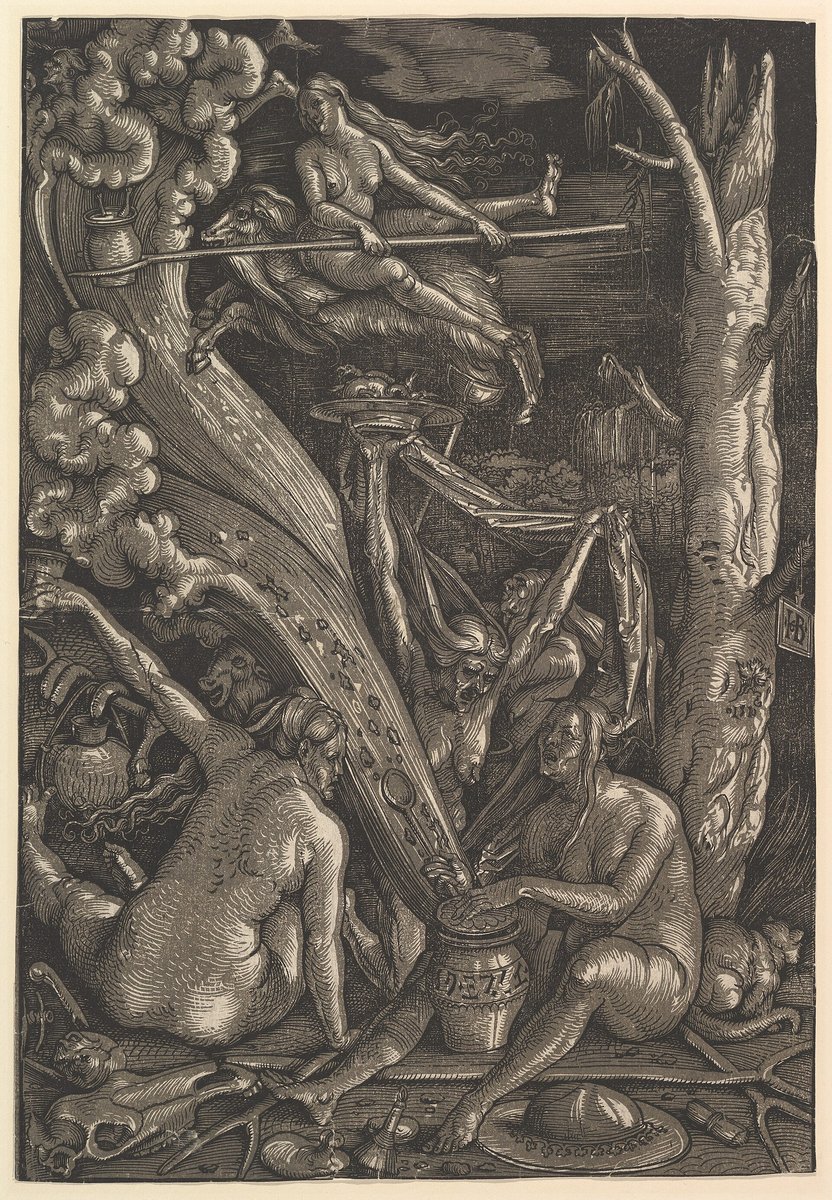
On the trials, since they are the reason the word still frightens people. Between the mid-fifteenth and the mid-eighteenth century, European courts executed somewhere between forty and sixty thousand people for witchcraft, around half of them in the lands of the Holy Roman Empire; roughly three in four were women. The theory that made the hunts possible — the witch as a sworn servant of the Devil — was built by theologians and inquisitors, most notoriously in Heinrich Kramer’s Malleus Maleficarum, first printed in the 1480s.
The accused were not practising anything. They were overwhelmingly women — poor, old, widowed, argumentative, foreign, or simply inconvenient to a neighbour with a grievance. The Satanic pact they confessed to was written by their interrogators and extracted under torture; the accused learned the story from the men asking the questions. The people who actually sold charms and cures, the cunning folk, were prosecuted far less often than their trade would suggest.
Margaret Murray’s theory in The Witch-Cult in Western Europe (1921), that the victims belonged to a surviving pagan religion, has been abandoned by historians, although it shaped early Wicca; the trial records preserve the interrogators’ questions, not a hidden faith. Anna Göldi, beheaded in Glarus in Switzerland in 1782, is usually counted the last person legally executed as a witch in Europe.
There was no witch cult. There was a machine for producing confessions, and it worked exactly as designed. If that shape sounds familiar, read The Panic and the Lie and look at it again. It is the same machine, four centuries apart — and in parts of the world, accusations of witchcraft still end in killings today.