Mistaken for Satanism
Vodou
A living religion with clergy, liturgy and a moral order — and the most systematically slandered faith on this map.
At a glance
- Haiti, Louisiana, Benin
- Bondye and the lwa
- No Satan in the system
- Slandered as a matter of policy
Almost everything the word carries in English was manufactured, and it is possible to name who manufactured it and why. Vodou itself is a living religion — practised by millions in Haiti and its diaspora, with sister traditions across West Africa and the Americas — and it has a priesthood, a liturgy and a moral order of its own.
What Vodou is
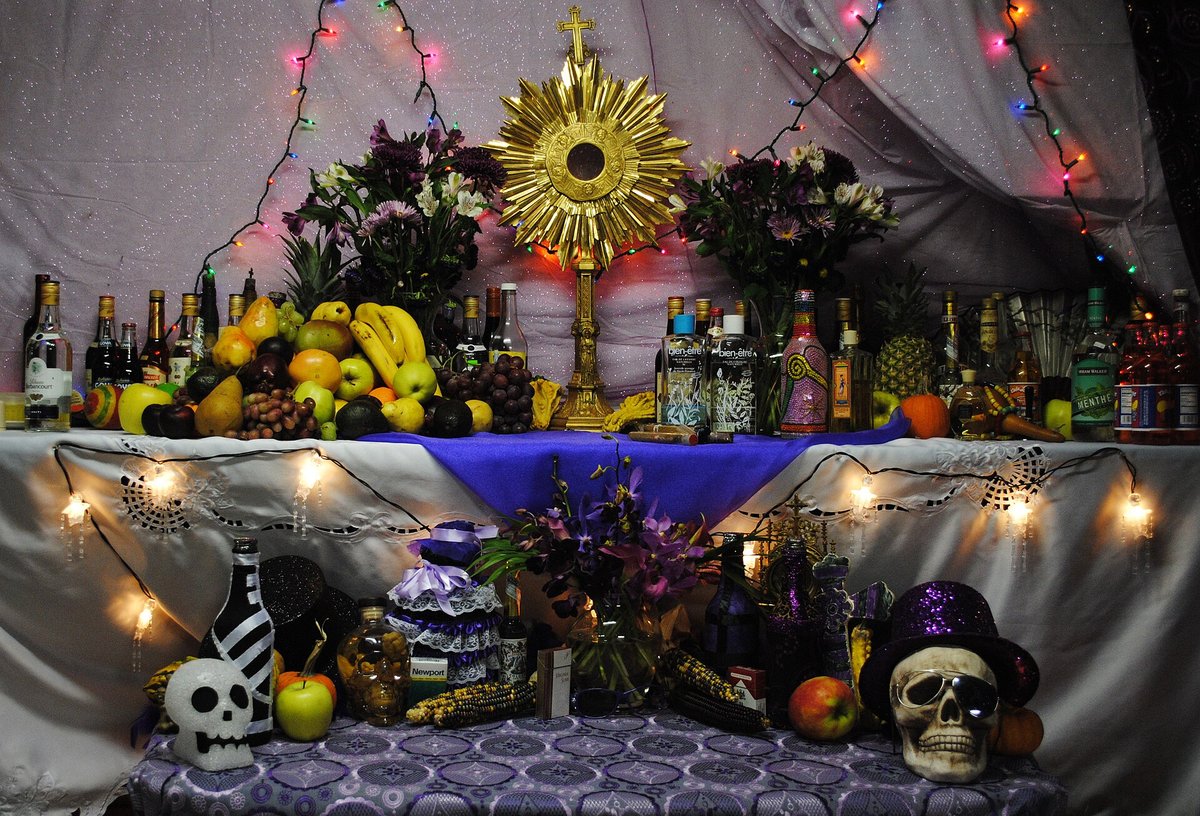
Haitian Vodou is a religion formed when West and Central African traditions — chiefly Fon, Yoruba and Kongo — were carried across the Atlantic in the slave trade and continued under a Catholic surface. The word itself comes from the Fon vodun, spirit or sacred power. It recognises a remote creator, Bondye, from the French Bon Dieu, and works with the lwa: intermediary spirits, each with a character, a set of songs, a colour, a day and a way of being greeted.
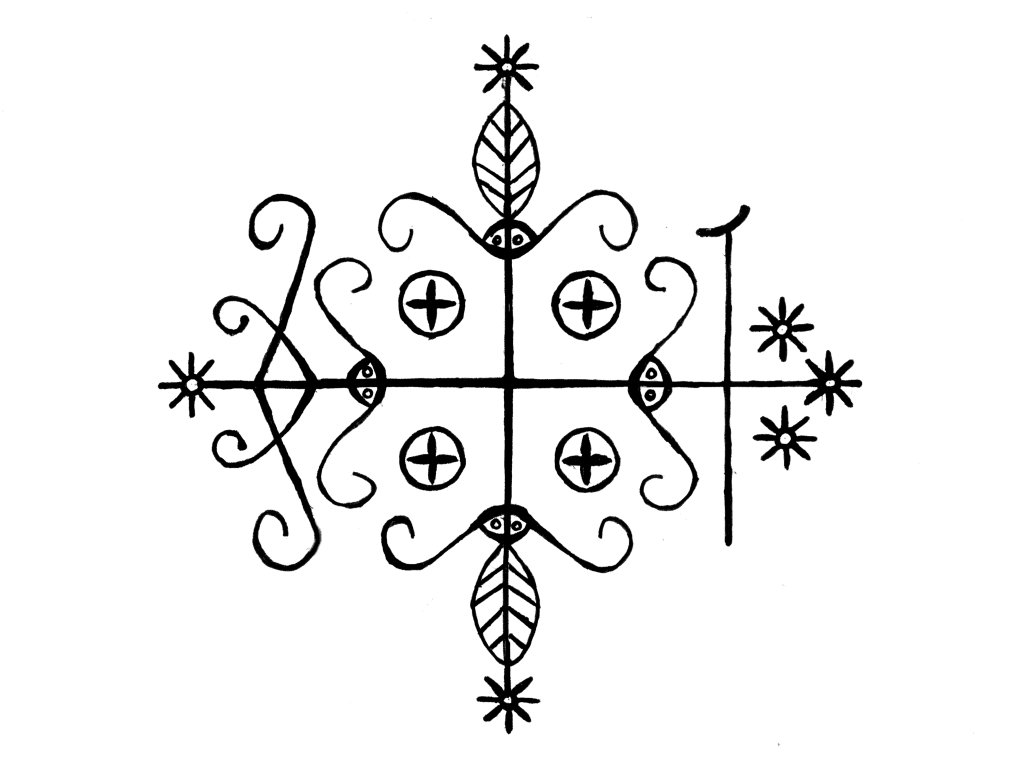
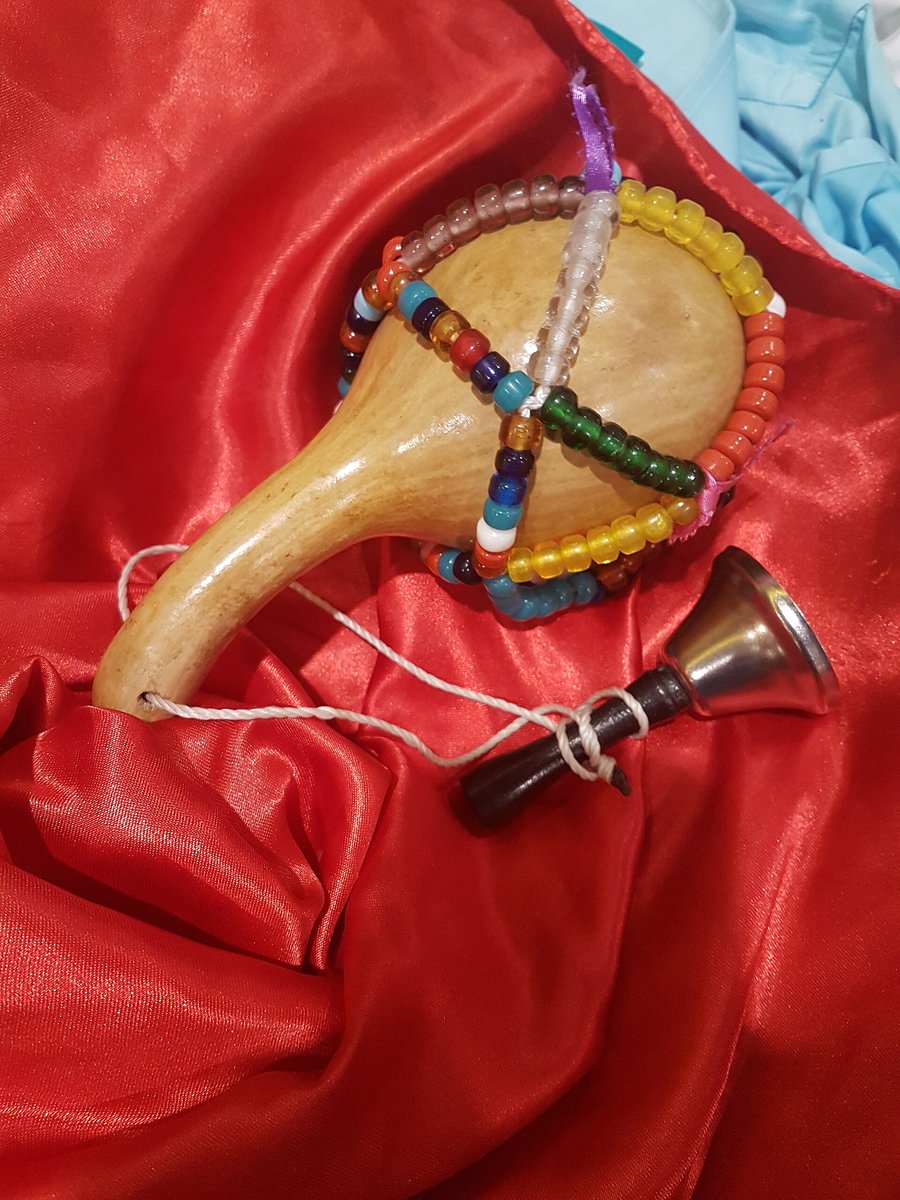
There is an initiated priesthood — houngan and manbo — a temple, a liturgy, a drum repertoire and a moral order. In ceremony the lwa are called with song, drum and the ground drawings known as vèvè, and they arrive by possessing the faithful, who are said to be mounted. Many lwa are paired with Catholic saints, and many Vodouisants consider themselves Catholics as well. Haiti recognised Vodou as an official religion in 2003.
Related traditions run parallel across the Atlantic world: Louisiana Voodoo in New Orleans, Cuban Lucumí, Brazilian Candomblé and Umbanda, Dominican Vudú, and in West Africa the Vodun of Benin and Togo, which is the source rather than the descendant. Benin has kept a national Vodun day every 10 January since the 1990s.
Where the reputation came from
Haiti was created by the only successful large-scale slave revolt in history, and the revolt is traditionally dated from a Vodou ceremony at Bois Caïman in August 1791. The slaveholding powers that lost, and the United States, which did not recognise Haiti until 1862, had every reason to describe the religion of that revolt as devil worship. The nineteenth-century travel literature obliged, most influentially Spenser St John’s Hayti, or the Black Republic (1884), which supplied the cannibalism and child-sacrifice material that later writers copied.
The American occupation of Haiti from 1915 to 1934 fed the same imagery into print — William Seabrook’s The Magic Island (1929) brought the zombie to American readers — and then into Hollywood, where White Zombie (1932) fixed the modern picture. The pins-in-dolls image belongs to European folk magic and to fiction, not to Vodou practice.
Why it is not Satanism
On the Satanism question. The system has no adversary figure and no inversion of a Christian scheme, which is what Satanism of any variety requires. The lwa are not fallen anything. Petwo rites are hot, fast and demanding where Rada rites are cool and measured, and that heat is routinely mistranslated as evil; within the tradition it is a register, not a moral rank.
Why it belongs on this map. The Vault includes Vodou not because it is adjacent to Satanism but because it is the clearest living example of the process this entire site is about: a religion of people who lost a war, described by the winners, and filed under evil. That is precisely what happened to Bael. The difference is that Vodou is still here, still practised by millions, and still able to answer — and the courteous thing is to use its own vocabulary rather than the one written by its enemies.